Toronto, Canada · Available now
I build weird ideas into working experiences.
Creative Technologist + Interactive Producer
I work where storytelling, entertainment and emerging technology collide. I prototype interactive worlds, browser games, AI-assisted creative systems, digital stories and unconventional audience experiences.
 one body · ten dreadlocks · each on its own root


Selected screen work. Full credits and roles on request.
Positioning
Creative ideas shouldn’t die in the sentence: “That would be cool.”
Cassius works across creative direction, interactive design, production and emerging technology to turn ambitious concepts into tangible prototypes people can see, play and understand.
His background spans entertainment, filmmaking, music and performance, which gives him an unusually strong grasp of audience attention, storytelling and emotional timing. Emerging technology expanded that toolkit: interactive entertainment, generative-AI workflows, rapid prototyping, games, creative automation and experimental digital experiences.
The technology is what makes the idea possible.
The work
CASE 01SPACEDREAD.TV
shipped · liveBuilding an entertainment universe people can enter.
Build one persistent interactive universe that holds the songs, the videos and the stories together, and let the audience walk around inside it.
Product thinkingWorld-buildingUXRapid prototypingOpen full case studyClose case study
SPACEDREAD.TV
shipped · liveCreative output normally scatters: a song on streaming, a video on one platform, a comic somewhere else. Nothing accumulates, and an audience never gets a place to be. The problem was giving the content a world to live in, and giving a visitor something to DO in it.
- A browser-based hub you enter and move through, built from rooms, characters and world art
- Original IP: characters, world rules and a written series bible the whole system answers to
- A nine-game browser arcade feeding one shared leaderboard and progression system
- Playable interactive episodes, music, video and digital publishing under one roof
- A collectible currency (Mangos) with unlockables and progression across every surface
- Multiplayer presence, room chat and community experiments running on the live site
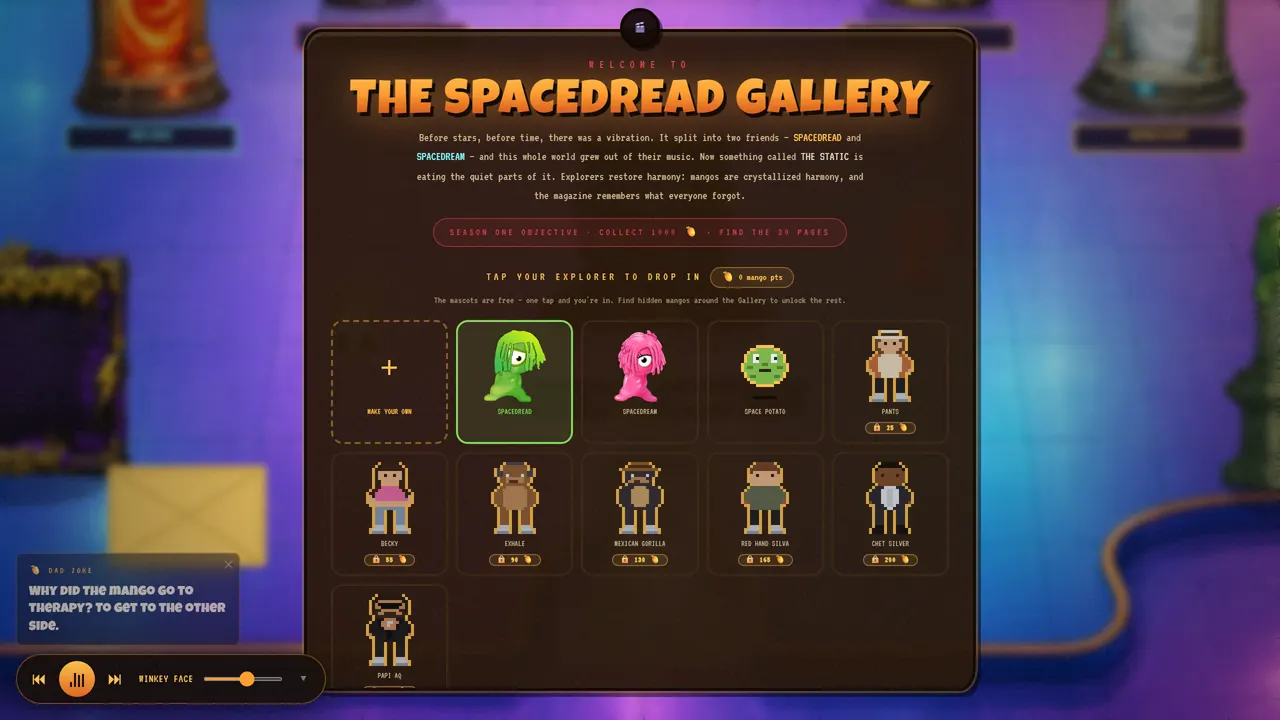
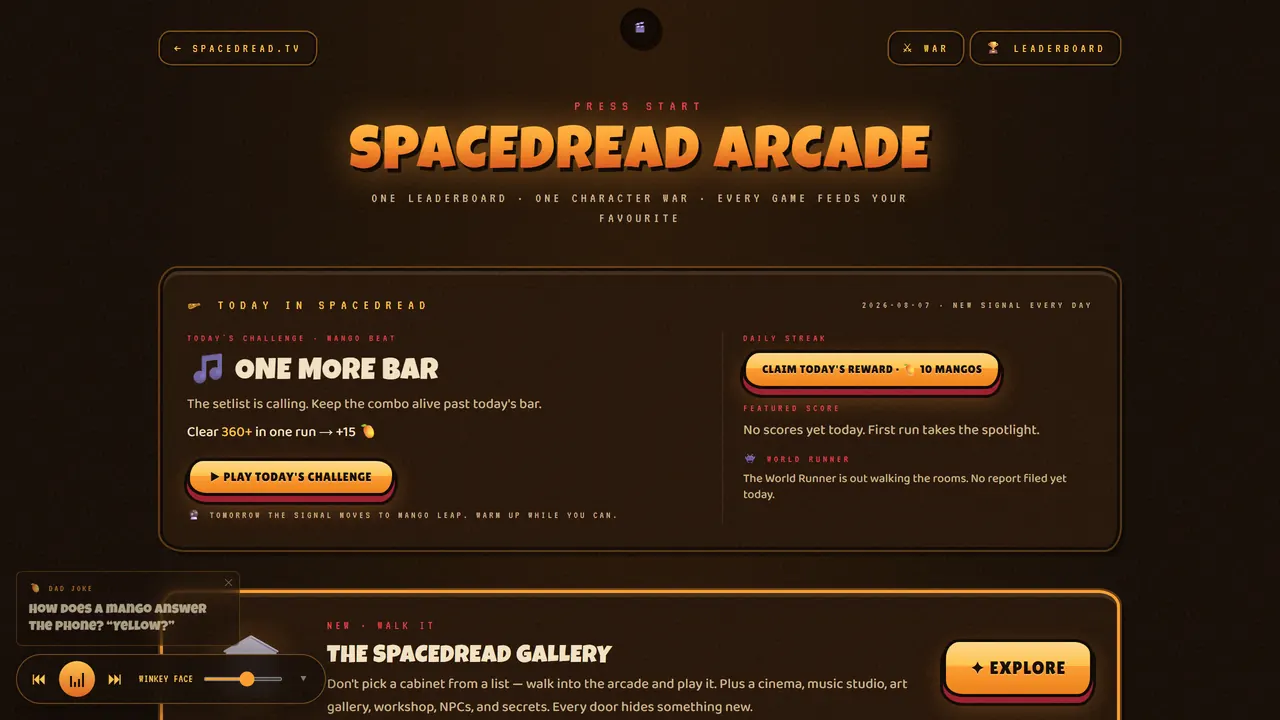
A universe only feels alive when every part of it can reach every other part. The valuable work was the shared systems underneath the pieces: one progression economy, one identity, one world.
CASE 02MANGO MOUNTAIN
shipped · playableDesigning dopamine without designing complexity.
A downhill arcade run that a stranger can understand in three seconds and play with one thumb, while still having enough depth to chase a score.
Game feelSystems tuningReward designMobile UXOpen full case studyClose case study
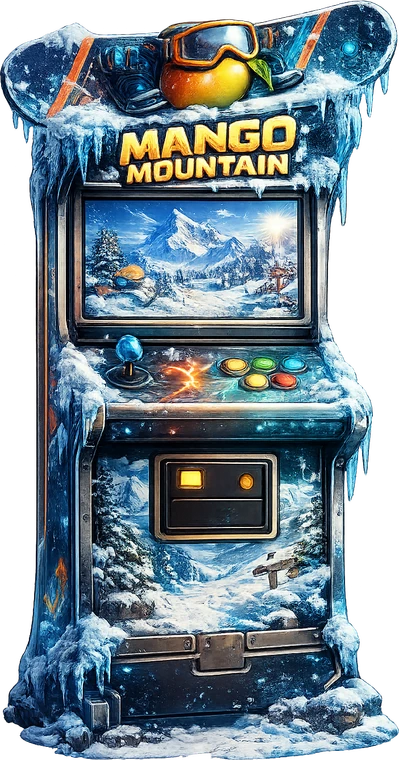
MANGO MOUNTAIN
shipped · playableMost browser games ask for too much before they give anything: instructions, a tutorial, two hands, a keyboard. The design problem was compressing carving, jumping, tricks, collection and risk into controls simple enough for a phone, without flattening the game into something boring.
- Continuous downhill movement with carve, air, ramps, spins and landing grades
- Mango collection, obstacle threading, near-miss reads and a combo multiplier
- A charge meter (Mango Frequency) that rewards risk
- Character animation driven by a hand-built sprite rig
- Several rounds of mobile control iteration: touch steer, tap-to-jump, forgiveness windows
- A reward economy wired into the site-wide currency and leaderboard

Simple controls require more design.
CASE 03INTERACTIVE EPISODE FOUNDRY
shipped · liveWhat if making an interactive show became almost as easy as shooting one?
Treat an interactive episode as a document. If the episode is data, one player can render every episode, and the cost of the second episode collapses.
Systems designNarrative structureAI workflow designProduction pipeline designOpen full case studyClose case study
INTERACTIVE EPISODE FOUNDRY
shipped · liveInteractive storytelling usually needs bespoke art, code and layout for every scene, so a series dies after the pilot. The production friction is what kills interactive shows.
- A data-driven episode format (scenes, beats, choices, variables, requirements) validated before it can play
- One player route that renders any episode, with new episodes shipping as data
- A generation pipeline with staged, human-approved drafts: nothing auto-publishes
- Real photography combined with AI-generated reveal imagery inside the same scene
- Dialogue, music, ambience and SFX driven by one shared audio engine
- Mini-games, environmental effects and collectible progression usable from inside a story beat
- Automated episode QA that catches broken graphs, dead choices and missing assets
- Several published episodes running on the live site through the same system
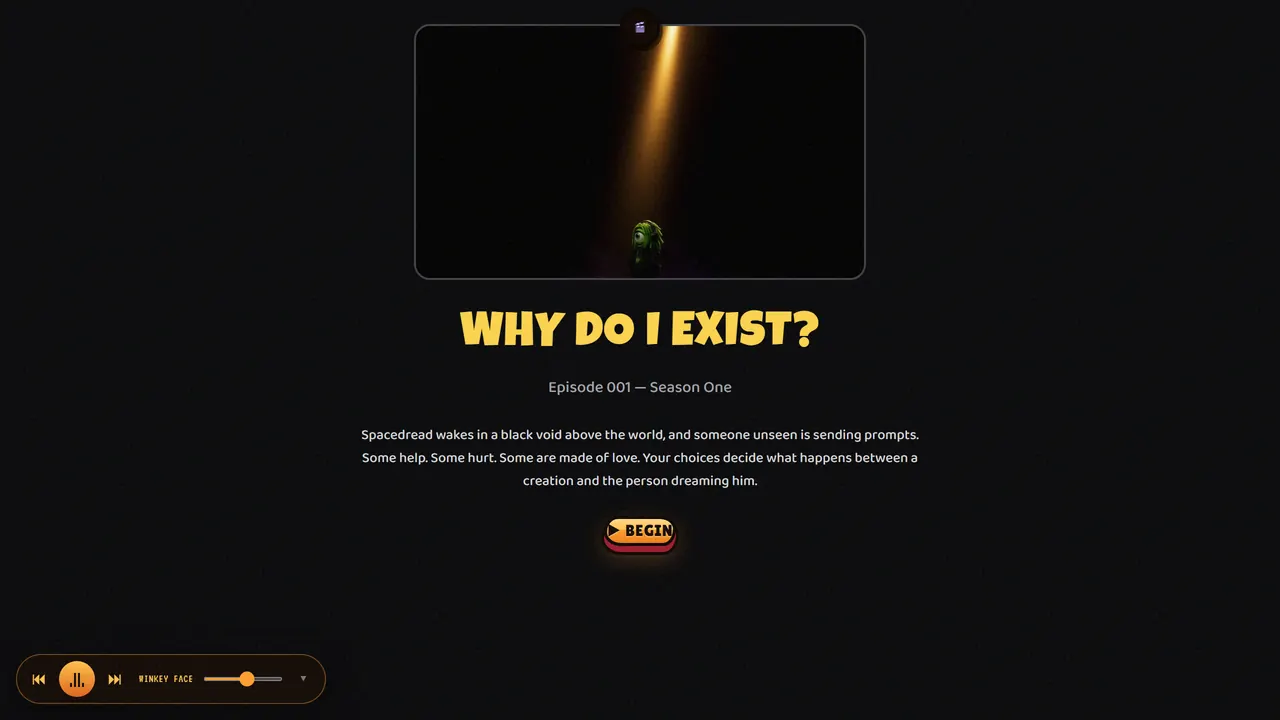
Real photography, written beats, recorded music and voice.
Selective generation where it removes friction (reveal art, variations, draft passes), always reviewed before it can publish.
The episode becomes validated data: scenes, choices, effects, audio cues, mini-games, rewards.
One player renders it. The next episode costs a fraction of the first.
AI removed the production friction between the idea and a playable draft. Everything valuable still happened at the approval gate, where taste lives.
CASE 04CREATIVE SYSTEM + ASSET PIPELINE
internal systemBuilding reusable worlds.
Generative tools get treated like a slot machine: pull, keep one, lose the rest. This builds a library where every good result becomes reusable production material.
AI workflow strategyCreative operationsSystems thinkingAsset architectureOpen full case studyClose case study
CREATIVE SYSTEM + ASSET PIPELINE
internal systemGenerative production fails in exactly the same places every time: characters drift between images, prompts vanish, assets stay inconsistent, nothing can be reused, and every project restarts from zero.
- A character bible with fixed design rules a generated asset has to pass before it’s allowed in
- Reusable character references and pose/expression slices tagged by source
- A searchable asset library carrying approval and rights status on every entry
- Written world lore and canon checks that flag contradictions in new material
- Production templates and repeatable workflows so the second project starts warm
- An art-prep pipeline (cutout, cleanup, web-optimised output) that turns raw renders into shippable assets
- Shared audio libraries and mechanics reused across games and episodes
The goal is maximum reuse.
Internal production tooling. A walkthrough is available on request, and the output is visible in every case study on this page.
CASE 05CHAPTER MANGO
shipped · liveWhen a magazine behaves more like a world.
Take the format of a magazine (music, film, photography, illustration, philosophy) and make it behave like a place you can move through.
Editorial directionInteractive publishingCross-media productionOpen full case studyClose case study
CHAPTER MANGO
shipped · liveA digital publication is usually a PDF pretending to be a website. It has no sound, no progression, no reason to come back and nothing to discover.
- A 31-page interactive publication read in the browser
- Pages that double as collectibles inside the wider universe
- An arcade game built from the issue’s own characters, embedded in the publication
- Original music, video and photography carried inside the reading experience
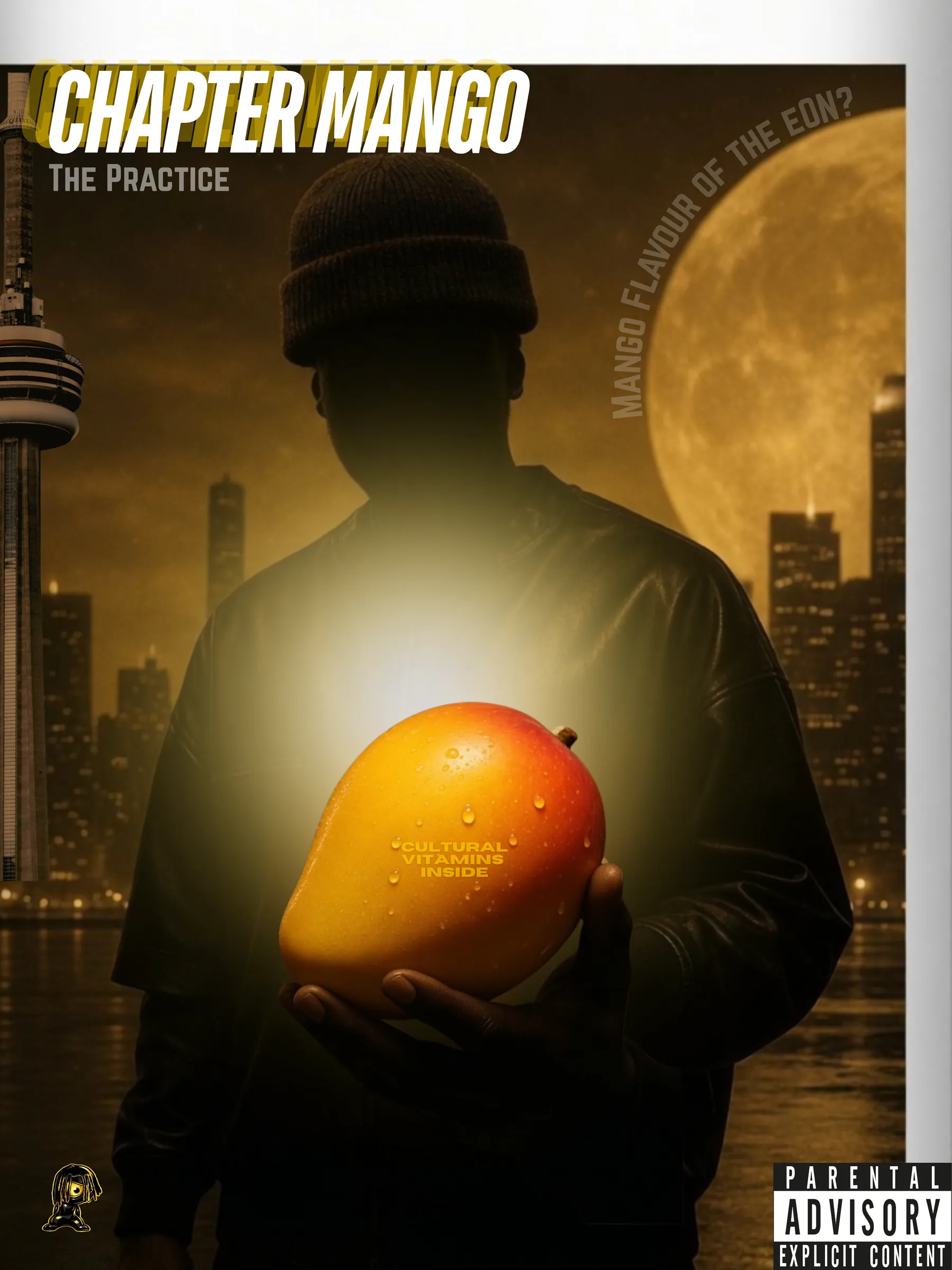
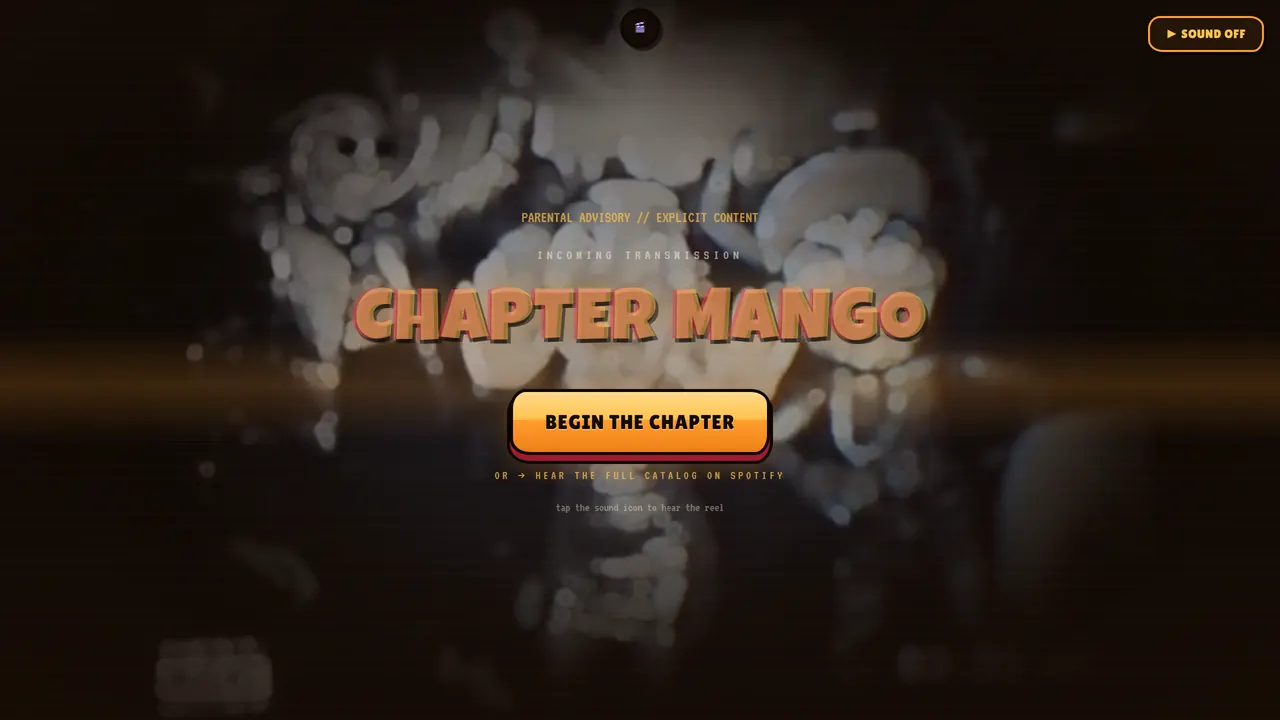
Readers want a reason to keep moving. The moment a page could be collected, people finished the issue.
How I work
What if?
Start from the idea nobody has built yet, usually the one that sounds slightly stupid out loud.
Find the experience
Before anything gets made: what should the audience feel, and what should they actually DO? If there’s no verb, there’s no experience.
Prototype fast
Get to something running. A rough playable beats a beautiful deck, because you can only feel timing in your hands.
Break it
Hand it to someone with no context. Watch where they hesitate. Hesitation is the real bug report.
Rebuild smarter
Rebuild the parts that survived as reusable systems, so the next version starts further along than this one did.
Ship
Ideas don’t become experiences until someone else can use them.
On AI
AI is a tool. Creative judgment is the system.
Cassius uses generative AI to accelerate ideation, prototype interactions, explore visual directions, automate repetitive production and build systems that would otherwise need a much larger team.
The point is where the energy goes: most of it into direction, storytelling, interaction, taste, iteration and the audience’s experience.
- Where it helps
- Drafts, variations, scaffolding, repetitive production, tooling.
- What stays human
- Taste, structure, timing, what the audience should feel.
- The rule
- Use it where it improves the work.
Toolbox
Creative Technology
AI + Systems
Production
Software
I’m a creative technologist: I design the system, build the prototype with modern tooling and AI-assisted development, and know exactly where a specialist should take over.
The client menu.
For business owners
About
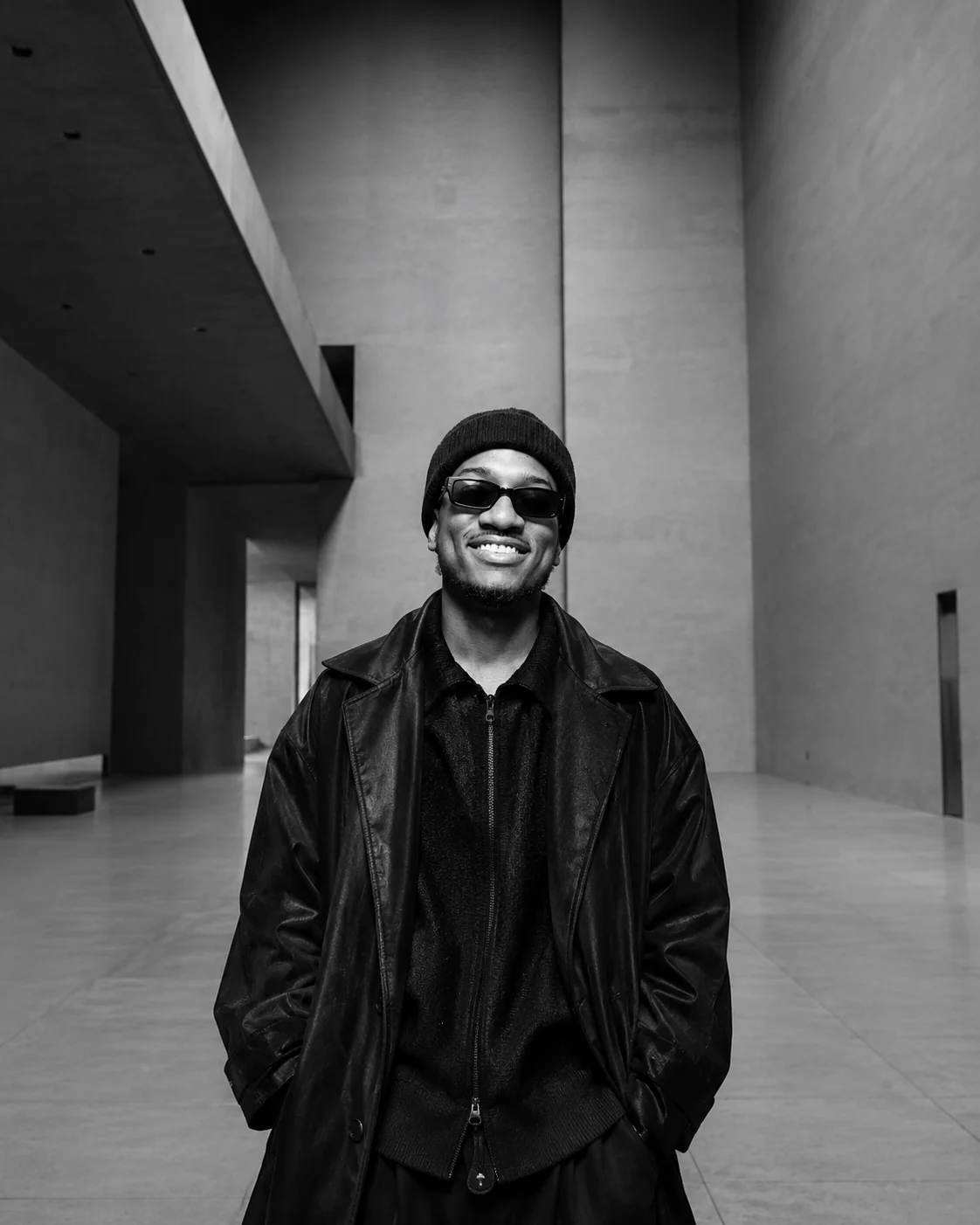
I spent most of my life making things people watch. Now I’m obsessed with making things people can enter.
Cassius Crieghtney is a multidisciplinary creator, performer, producer and Creative Technologist based in Toronto.
A background across professional film and television, music, live performance, photography, directing and independent creative production now feeds work in interactive entertainment, AI-assisted creative systems, games and emerging media.
He also records as Spacedread. The single “Solo Tú”, made with Papi AQ, reached #1 on Apple Music Canada’s Latin Songs chart, above Bad Bunny and Gloria Estefan.
He’s most interested in the space between an ambitious concept and the working prototype that proves it can exist.
Build something strange with me.
Available for Creative Technology, Interactive Production, Emerging Media, Experiential and AI-assisted creative work.