Everyone Wants to Make a Feature. The Shorts Are Where the Work Is.
Short films rarely make money. In Canada, one of them can be the ticket to first-feature funding. The real economics of twelve minutes.

Almost nobody makes money on a short film. Filmmakers keep making them anyway, and in Canada there's a very concrete reason: one short, selected by the right festival, can open a door to real money for a first feature.
The door
Telefilm Canada's Talent to Watch program supports emerging filmmakers financing the production of their first feature. It has several ways in. One of them, the Festival Selection Stream, has a single prior-experience requirement: applicants must have directed a short film that was selected at a recognized film festival.
When Telefilm and the Talent Fund announced a round of 18 funded projects, the total came to $3.6 million. Some projects reach the program through industry partners, including festivals like imagineNATIVE, Hot Docs and TIFF.
So the economics of a Canadian short film are upside down from the way people usually describe them. The short is proof: that you can finish something, that a programmer chose it over hundreds of others, and that you can be trusted with a bigger budget.
What getting seen costs
Festivals charge to submit. The Vancouver International Film Festival, for example, charged Canadian shorts US$30 at its early 2026 deadline, US$35 at the regular deadline and US$40 late, and offers no waivers. VIFF is candid about why: as a not-for-profit society, it relies on submission fees to help cover administration and programming.
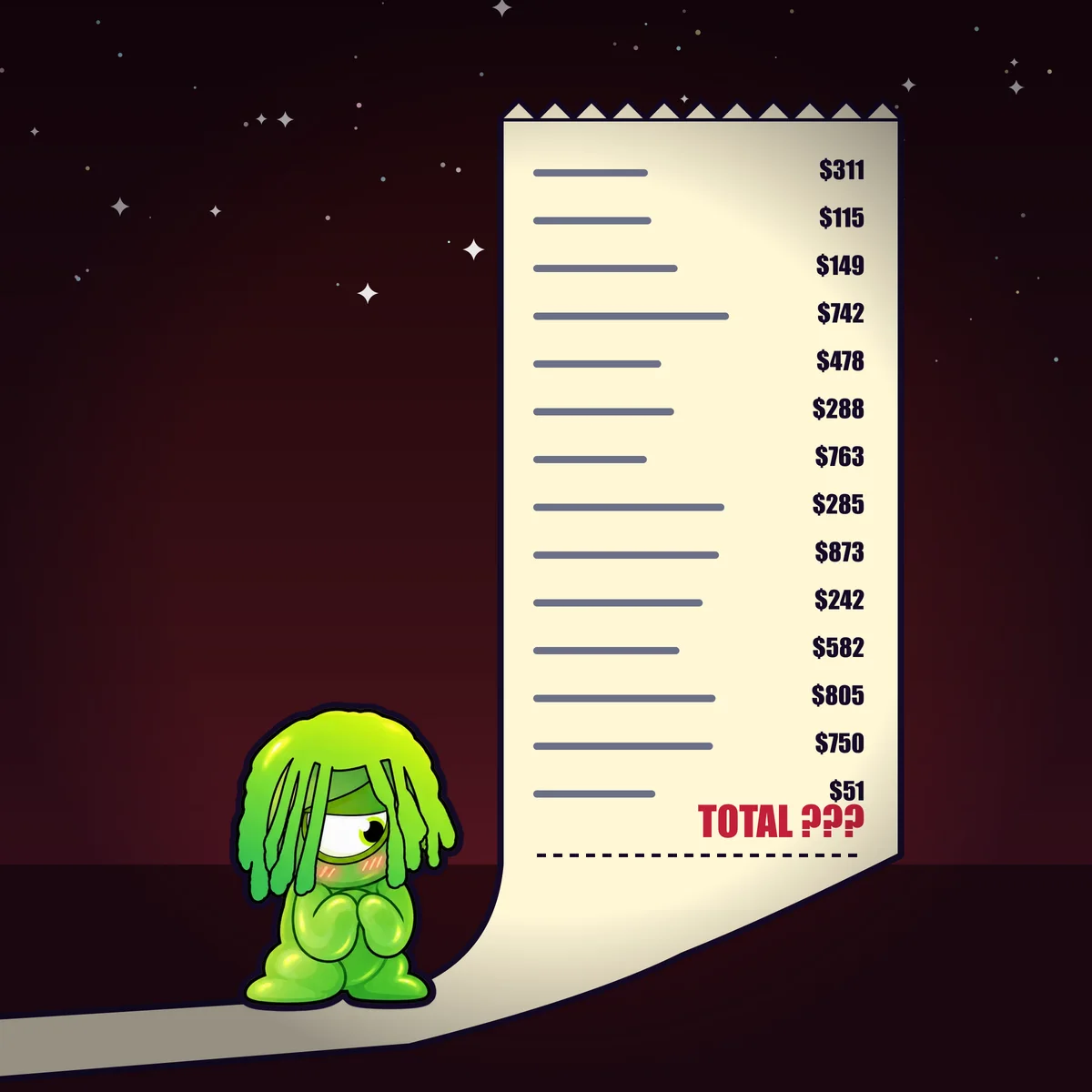
Thirty dollars sounds small. A festival strategy is rarely one festival, though. Submit to fifteen and the fees alone can match what some no-budget shorts spend on the shoot. The filmmakers who do this well pick their festivals like a job search: a short list of places that actually program their kind of film, entered early when it's cheapest.
What the shoot actually needs
Cameras stopped being the barrier years ago. What a no-budget short really runs on is people: someone who can light, someone who can record sound, someone who can edit, and actors willing to give a weekend. In Toronto that crew usually assembles from the same circles that make music videos.
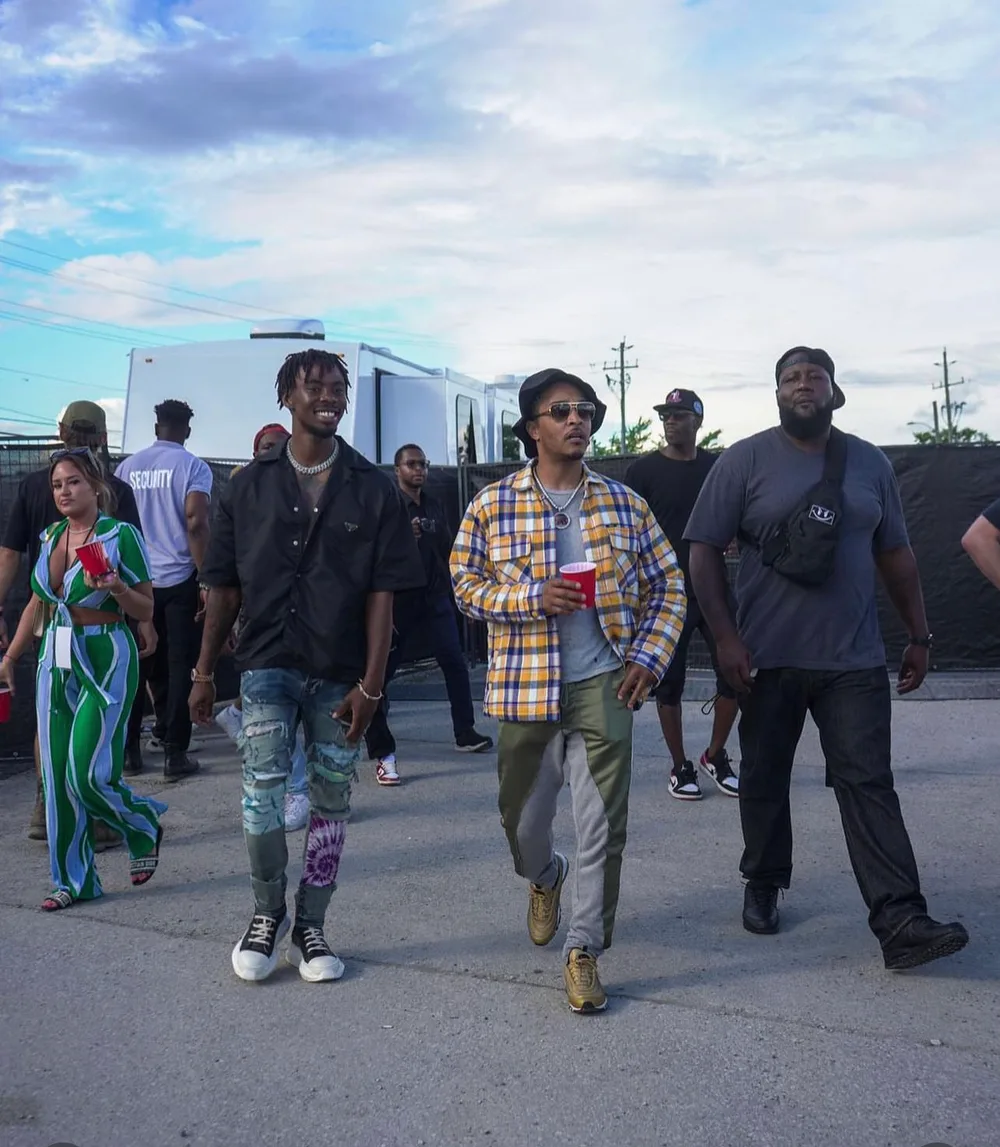
The people around this site are a typical example. One Take Jake, the main cinematographer behind TRPKL, shoots music videos, event films and city shoots. Jessica Chin King moved from acting into producing. Kemdilo directs his own music videos, several of them co-directed with Spacedread. Short films get made when crews like these point the same skills at a story instead of a song.
The length question
One practical note festivals rarely say out loud: shorter shorts are easier to program. A twelve-minute film fits in many more blocks than a twenty-five-minute one. When we ran our own open call for the Mango Mixer screening, we asked for films of seven minutes or less for priority consideration and charged no submission fee, because we had a room, a night and a limited amount of screen time. Every programmer is solving that same puzzle.
Make it short, make it finished, make the sound clean, and pick the festivals that could actually say yes. That's the whole economics of the short film: a small, well-spent bet on the next thing.
The Mixer's official selectionThe short films that screened at our TIFF-week party.Sources
- Talent to Watch ProgramTelefilm Canada · checked SEPT 18, 2026
- Telefilm Canada and the Talent Fund announce 18 projects funded through the Talent to Watch ProgramTelefilm Canada · checked SEPT 18, 2026
- Canadian submissions FAQVancouver International Film Festival · checked SEPT 18, 2026
- Short film submissions (runtime guidance)Spacedread · checked SEPT 18, 2026