What Does It Actually Cost to Be an Independent Artist in Toronto in 2026?
The prices that are printed, the prices nobody prints, and the grant that only pays you back after you've already spent $6,667.
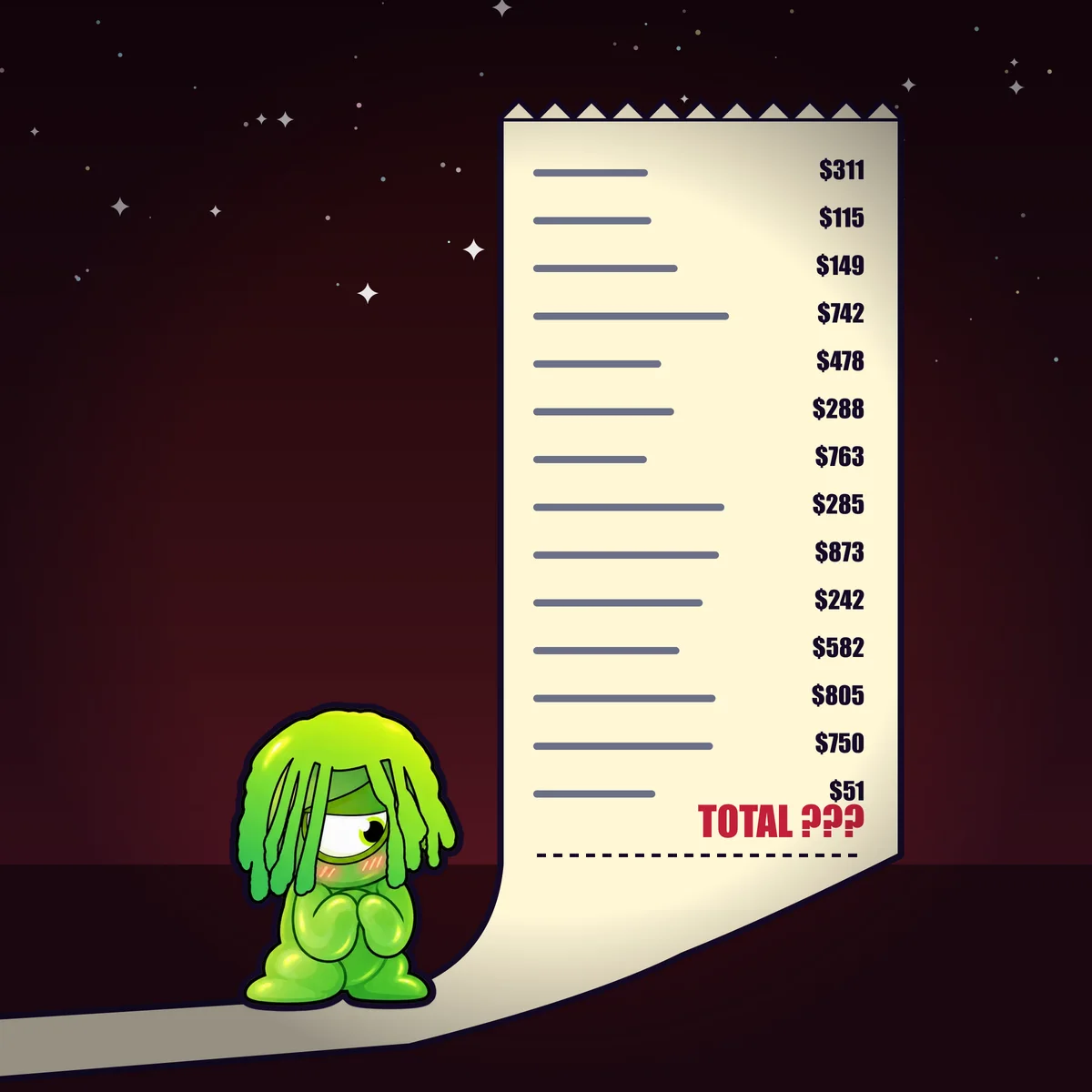
Ask ten Toronto musicians what it costs to put out one song and you will get ten numbers, most of them sighs. So here is the budget built the boring way: only from prices that are printed somewhere a reader can check, with a clear line drawn around everything that isn't.
That line turns out to be the most interesting part of the story. The cheapest parts of releasing music have public price tags. The expensive parts almost never do.
The part with a price tag
Getting a finished song onto streaming services is now close to free. DistroKid, one of the largest distribution services, lists its entry plan at US$24.99 a year for unlimited uploads, with Musician Plus at US$44.99 and Ultimate at US$89.99, and says artists keep 100 per cent of their earnings on every plan.
Registering the song so you get paid when it's performed or copied costs nothing at all. SOCAN's own FAQ is one sentence long on the subject: there is no cost to become a member. SOCAN collects performance royalties (radio, venues, broadcast) and reproduction royalties (streams, downloads, CDs, vinyl) and pays them out to members after its operating costs.
So the paperwork that used to need a label now costs about thirty dollars a year. That is real progress, and it is also the reason the conversation about money in music has moved: the gate is no longer getting the song out. The gate is making a song worth putting out, and then making anyone hear it.
The part nobody prints
Recording, mixing, mastering, a producer's fee, a photographer, a video. These are the costs that decide what a release sounds and looks like, and in Toronto they are overwhelmingly quoted in private: in DMs, over the phone, in a number that depends on who you are and who you know.
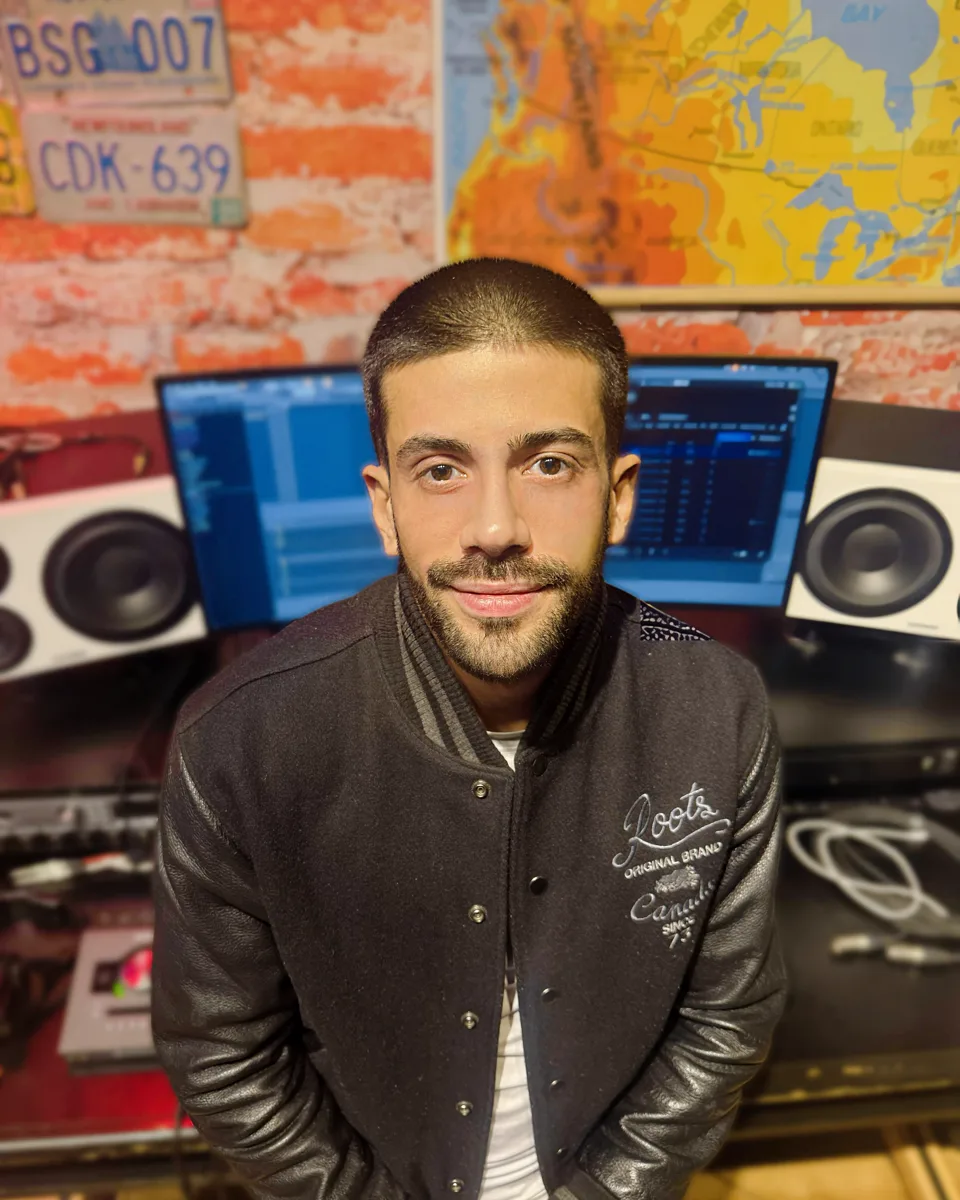
We checked our own house first, because it would be cowardly not to. The engineer on most of what this site releases, Kyle DaSilva, books through his Instagram DMs and publishes no rate card. The producer behind much of the catalogue, Exhale, does the same. The only prices Spacedread itself prints are on the booking page: shoots start at $250 plus tax, editing and clipping at $150 plus tax.
Studio time is a service sold by people, and people price by the job, so private quotes are normal. They also mean a first-timer walks into the most important purchase of their release with no reference point, which is exactly when people overspend.
The grant that pays you back
Canada has real public money for this. FACTOR's Artist Development program covers 75 per cent of eligible expenses up to a maximum of $5,000 toward a year of artist development activities. To apply you need at least one track already released commercially, and nothing released more than three years before you apply.
Do the arithmetic the program does. Five thousand dollars is 75 per cent of $6,667, so to receive the whole grant an artist has to show $6,667 in eligible spending in the year. The first $1,667 of that is theirs no matter what.
Which is fair, and it is how most matching grants work. It also tells you who grants are built for: people who can already put a few thousand dollars into their own career and wait to be partially repaid.
What the other side of the ledger looks like
Spotify's own annual report on what it pays out, Loud & Clear, is the most detailed public picture of where streaming money goes. For 2025 it reports more than US$11 billion paid to rights holders, more than 13,800 artists generating over US$100,000 in royalties on the platform, and more than 1,500 generating over US$1 million.
It also says something that should cheer anyone reading this from a bedroom studio: roughly half of royalties were generated by independent artists and labels, and more than a third of artists earning over US$10,000 are DIY or started that way.
Those are royalties generated, which then flow to labels, distributors, publishers and songwriters before an artist sees their share. And they describe the top of a very tall pyramid. The Hill Strategies survey of Canadian artists for the Cultural Human Resources Council found that 66 per cent earned less than $40,000 from cultural work in 2023, and 21 per cent earned less than $10,000.
The number that actually sets the budget
Here is the figure that governs more Toronto releases than any rate card: Ontario's general minimum wage, $17.60 an hour until September 30, rising to $17.95 on October 1, 2026.
Most independent artists fund their music with a second job (71 per cent of Canadian artists hold more than one, according to the same survey). So the honest unit of cost for a song is the shift. A $250 shoot is about fourteen hours at minimum wage before tax. A year of distribution is under two. FACTOR's $1,667 self-funded share is roughly 93 hours.
- Distribution: US$24.99 a year and up. Published.
- Royalty registration (SOCAN): $0. Published.
- Recording, mixing, mastering, production: almost never published in Toronto. Ask, and ask two people.
- A shoot for the cover and the rollout: our crew starts at $250 plus tax. Published on /book.
- Public money: up to $5,000 from FACTOR, once you've spent $6,667 and have a track out.
- The real currency: hours at $17.95.
Sources
- DistroKid pricingDistroKid · checked SEPT 18, 2026
- SOCAN frequently asked questionsSOCAN · checked SEPT 18, 2026
- Artist Development programFACTOR · checked SEPT 18, 2026
- Loud & Clear: takeawaysSpotify · checked SEPT 18, 2026
- How are Canada's artists doing? Analysis of a 2024 survey of artistsHill Strategies Research / Cultural Human Resources Council · checked SEPT 18, 2026
- Your guide to the Employment Standards Act: minimum wageGovernment of Ontario · checked SEPT 18, 2026