Every Artist You Know Also Cuts Hair, Drives, or Teaches.
Seventy-one per cent of Canadian artists hold more than one job. This is about what the second one does to the first.
There's a question people ask artists at parties, and every artist has learned to hear the second half of it. So what do you do? means what do you do for money? In Canada, for most of them, the honest answer has two parts.
That figure comes from a survey Hill Strategies Research ran in early 2024 for the Cultural Human Resources Council: 1,170 responses, 688 of them from artists. The rest of the numbers describe a workforce assembled out of pieces. 51 per cent are self-employed. 65 per cent teach in the arts. And 51 per cent contribute both artwork and other kinds of work to the cultural sector, which is the survey's polite way of saying half of all artists are also somebody's staff.
It's usually told as a sad story. The painter behind the counter, the musician driving at 2am. The numbers support some sadness: the same survey found 69 per cent of artists experience financial stress. But once you look at who actually holds the second jobs, a more complicated picture shows up, and it's worth describing properly.
The second job that feeds the first
Start with teaching, because it's the most common second job in the arts by a distance. Among artists who teach, the survey asked how the teaching relates to their own work. The answers split almost exactly in thirds: 31 per cent called teaching integral to their artistic practice, 33 per cent called it secondary, and 36 per cent put it somewhere in between.
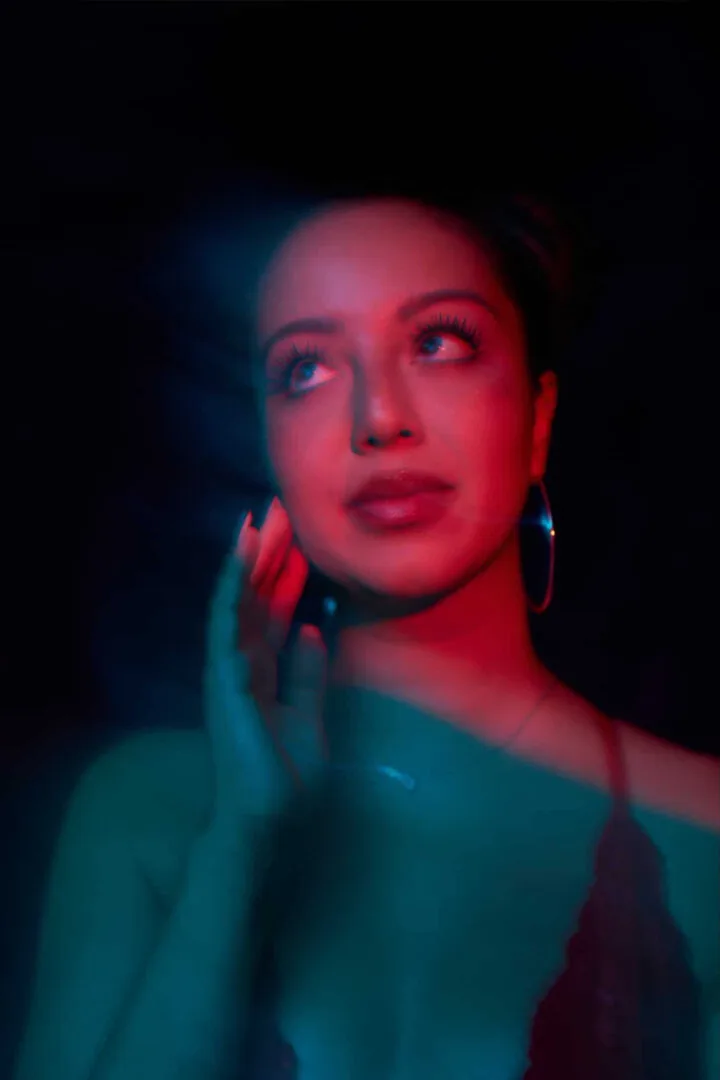
A third of teaching artists, in other words, don't experience the second job as a detour at all. Raechell Tamaryn is a useful example from the people around this site. She's a Toronto R&B and soul singer-songwriter with a decade of work alongside children and youth, and she offers voice and piano lessons next to her performing and event work. For someone whose songs are written, in her own description, to give words to things people struggle to say out loud, time spent teaching young people to find their voice is not obviously a different job.
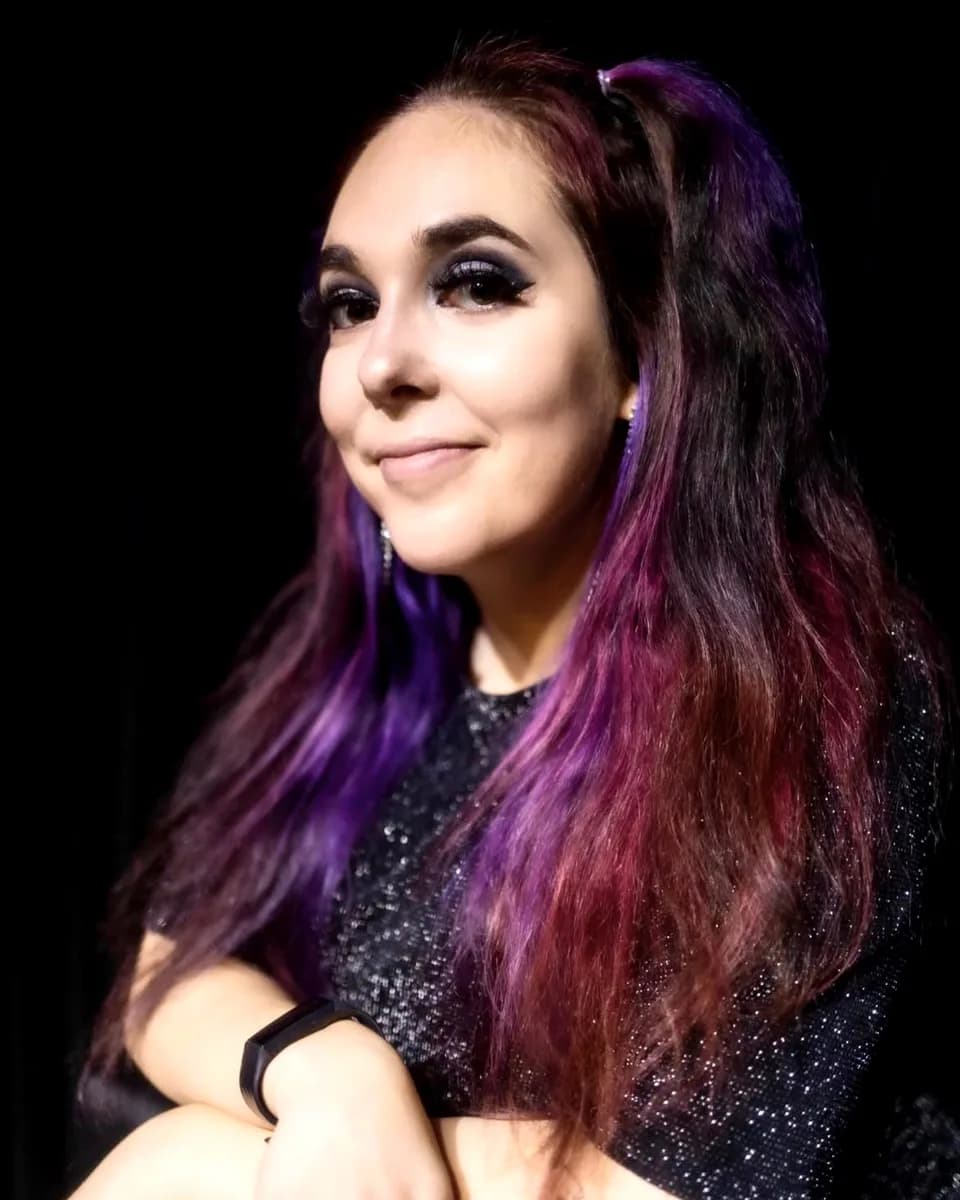
Some second jobs grow out of the first one sideways. Jessica Chin King started as an actor and moved into producing. During COVID she began editing headshots for other actors, and that turned into wedding and event photography, which is now its own business. Nobody planned that as a career path. It's what happened when a skill that served the art turned out to be something other people would pay for.
The second job that funds the first
Then there are second jobs that have nothing to do with the art except the money, and they deserve respect instead of pity.
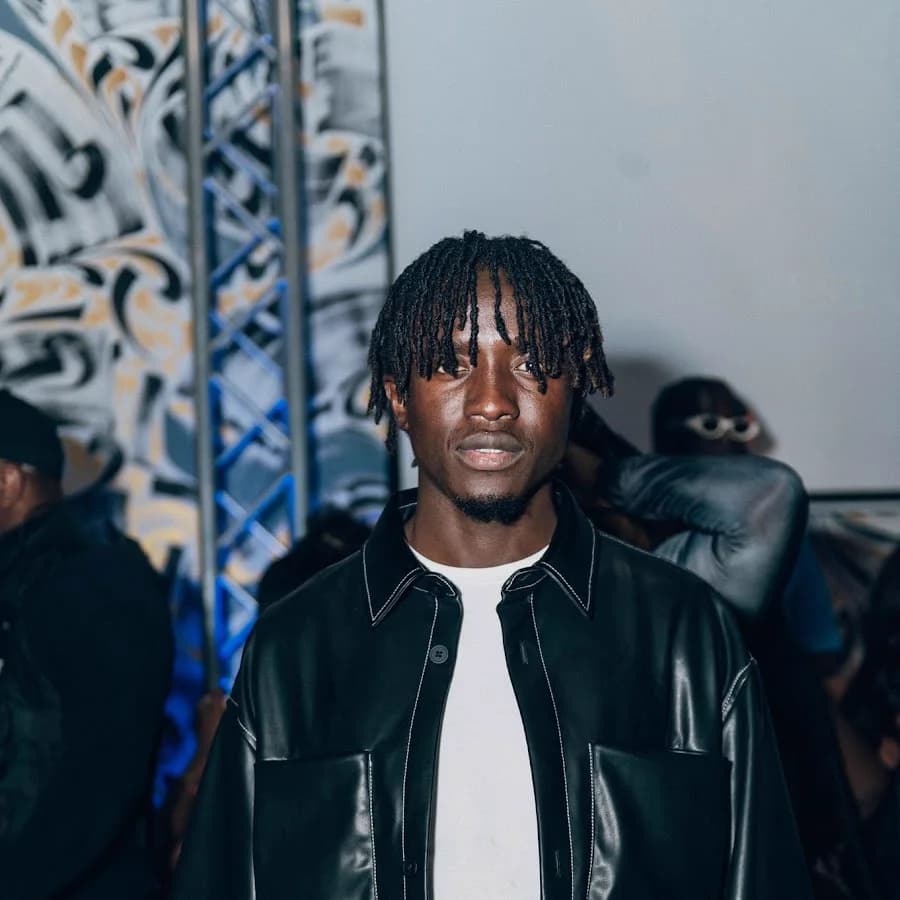
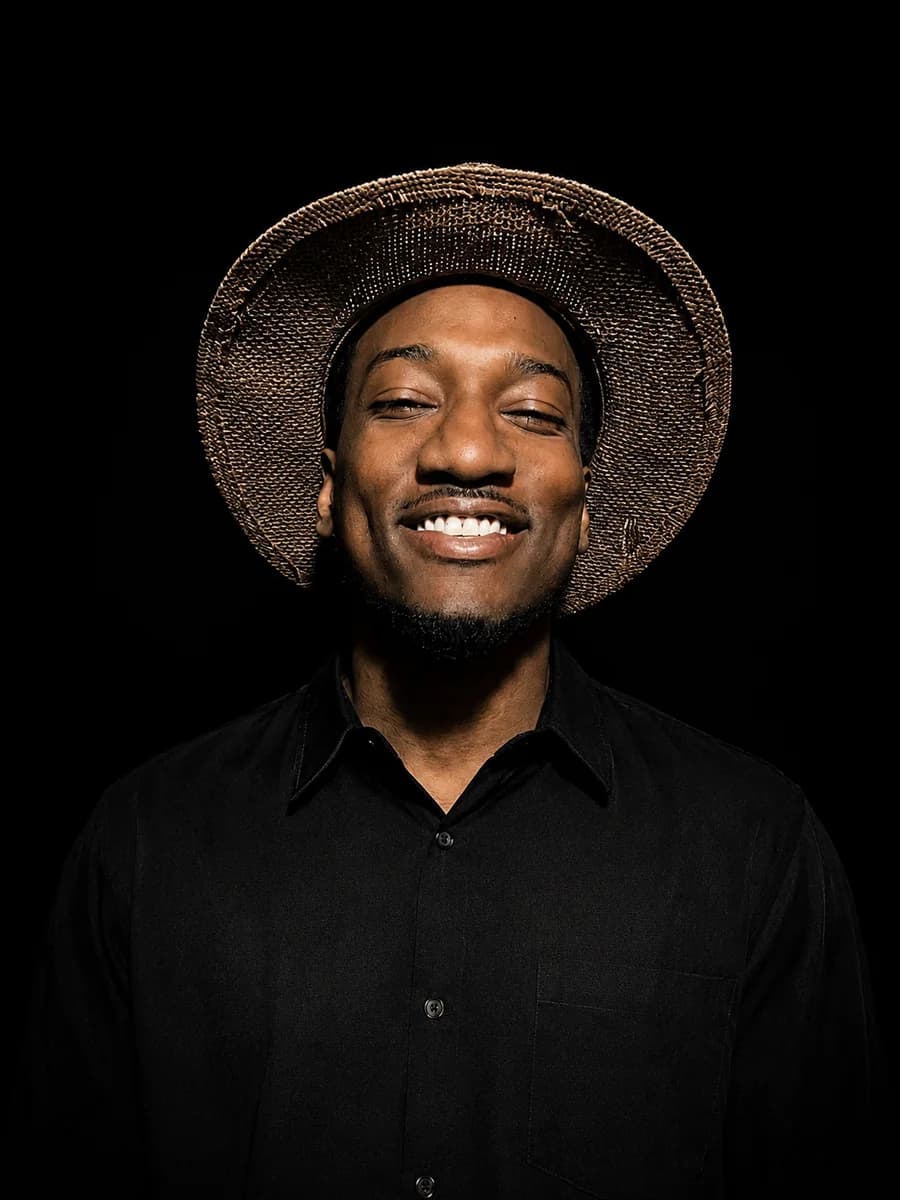
Dizzle BK has spent four years making records and videos with the Spacedread crew. He also cuts hair, under the name BK Fades, and books clients through an online scheduler. His page on this site has two buttons of equal size: book a cut, or message him about music. Neither one is the side hustle.
A trade like barbering does something for an artist that a grant can't: it pays on Tuesday. It's steady, it's local, the client comes back every few weeks, and it keeps you in a room full of people talking, which is where a lot of songs come from anyway.
What the second job costs
None of this makes the money fine. Of the artists surveyed, 66 per cent earned under $40,000 from cultural work in 2023, and 51 per cent had a total personal income under $40,000, second job included. Only 30 per cent were satisfied with how affordable their home is. And 91 per cent took some specific action in 2023 to relieve financial pressure.
Self-employment compounds it. When half the workforce works for itself, things salaried people never think about (paid sick days, a pension plan with an employer match, parental leave that replaces income) stop being defaults and become things you build yourself, or go without.
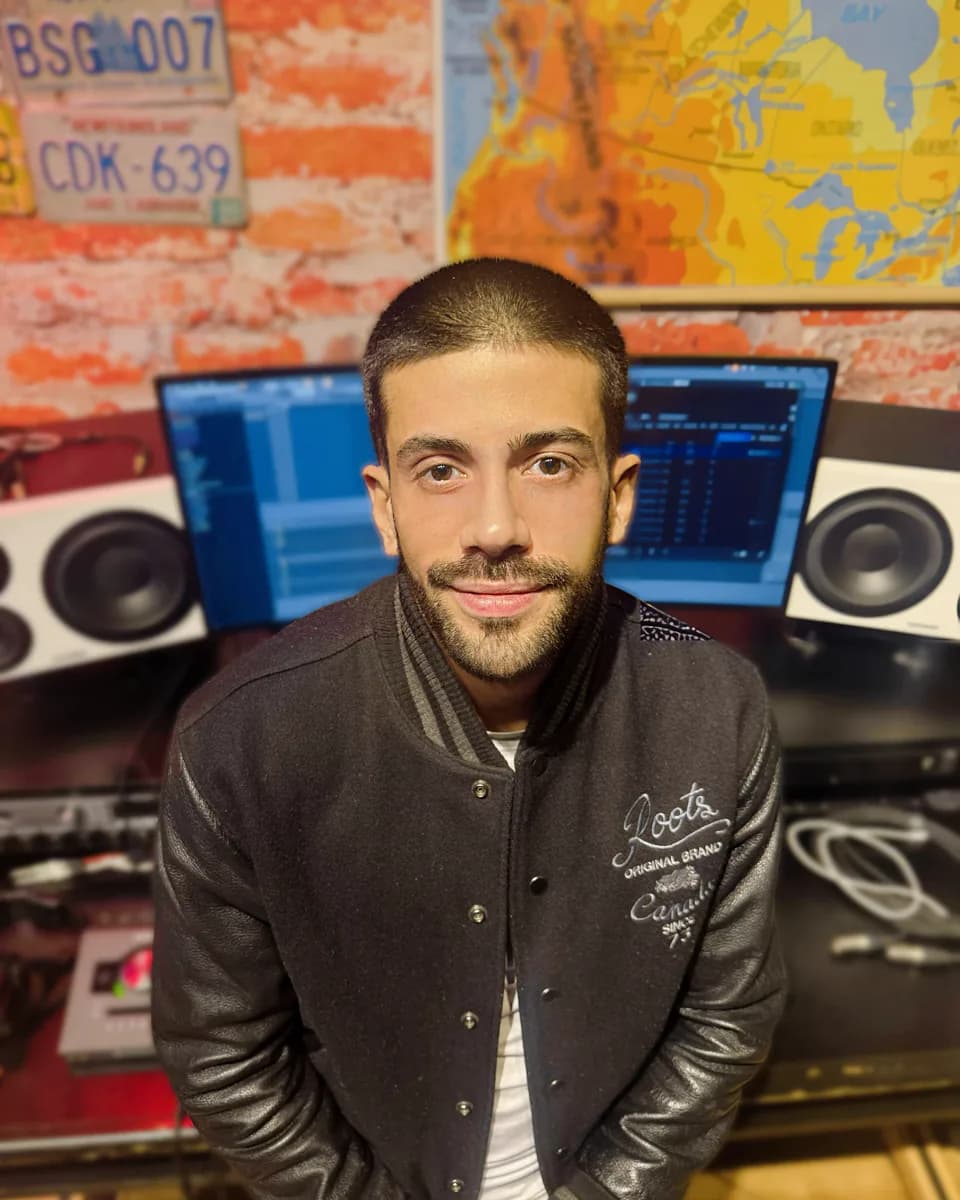
Even the engineers have a version of this. Kyle DaSilva, the main engineer on most of what this site releases, works out of Lynx Music in Toronto after time at BOTA Studios in Mississauga. That's a real technical career. It's also freelance, booked session by session through his DMs, which means his calendar is his salary.
So what do you do?
Here's a better version of the party question: what do you do, and which part feeds the other? Most artists can answer that immediately, and the answer tells you more about their work than the title on their Instagram bio.
The data says the second job is here to stay: the sector has been built this way for as long as anyone has measured it. The useful work now is making the second job a good one: close to the craft where possible, steady where it can't be, and never so draining that it takes the first job with it.
Dizzle BKBook a cut, or talk music. Same guy, both buttons.Sources
- How are Canada's artists doing? Analysis of a 2024 survey of artistsHill Strategies Research / Cultural Human Resources Council · checked SEPT 18, 2026
- Raechell Tamaryn (bio and offerings)Spacedread · checked SEPT 18, 2026
- An inspired chat with Jessica Chin KingBold Journey · checked SEPT 18, 2026
- BK Fades bookingBK Fades · checked SEPT 18, 2026