The People Building Software Nobody Asked Them To Build
Some of the most-used creative tools in the world were started by artists with a specific problem. The case for making your own.

There's a particular moment every working artist knows. The tool almost does what you need, and the last ten per cent is where your idea lives. Most people bend the idea to fit the tool. A small number open a code editor instead, and some of what they built is now used by millions of people.
Three tools that started with a problem
Processing was initiated by Ben Fry and Casey Reas and is turning 25 in 2026. It's a free, open-source project for writing code that makes images, animation and interaction, and it's developed by contributors around the world. For a generation of visual artists it was the first time programming felt like sketching.
Twine calls itself an open-source tool for telling interactive, nonlinear stories. Chris Klimas created it and still leads its development; version 2.12.0 came out in April 2026. Anything made with it is free to use any way the maker likes, commercially included. Writers use it because a branching story is miserable to write in a word processor.
Aseprite, an animated sprite editor and pixel art tool from Igara Studio, exists because pixel artists needed something general image editors never prioritized: working one pixel and one frame at a time. Its source code is published on GitHub.
What building your own gives you
The obvious answer is control. The less obvious one is that the tool starts shaping the work in a direction nobody else can copy. Two artists using the same app tend to converge. An artist using a tool they built drifts somewhere nobody else can follow.
It also changes what counts as a finished piece. When the tool is yours, the tool is part of the work. Processing sketches are shared as code. Twine stories are the software and the story at once.
Our own, at its real size
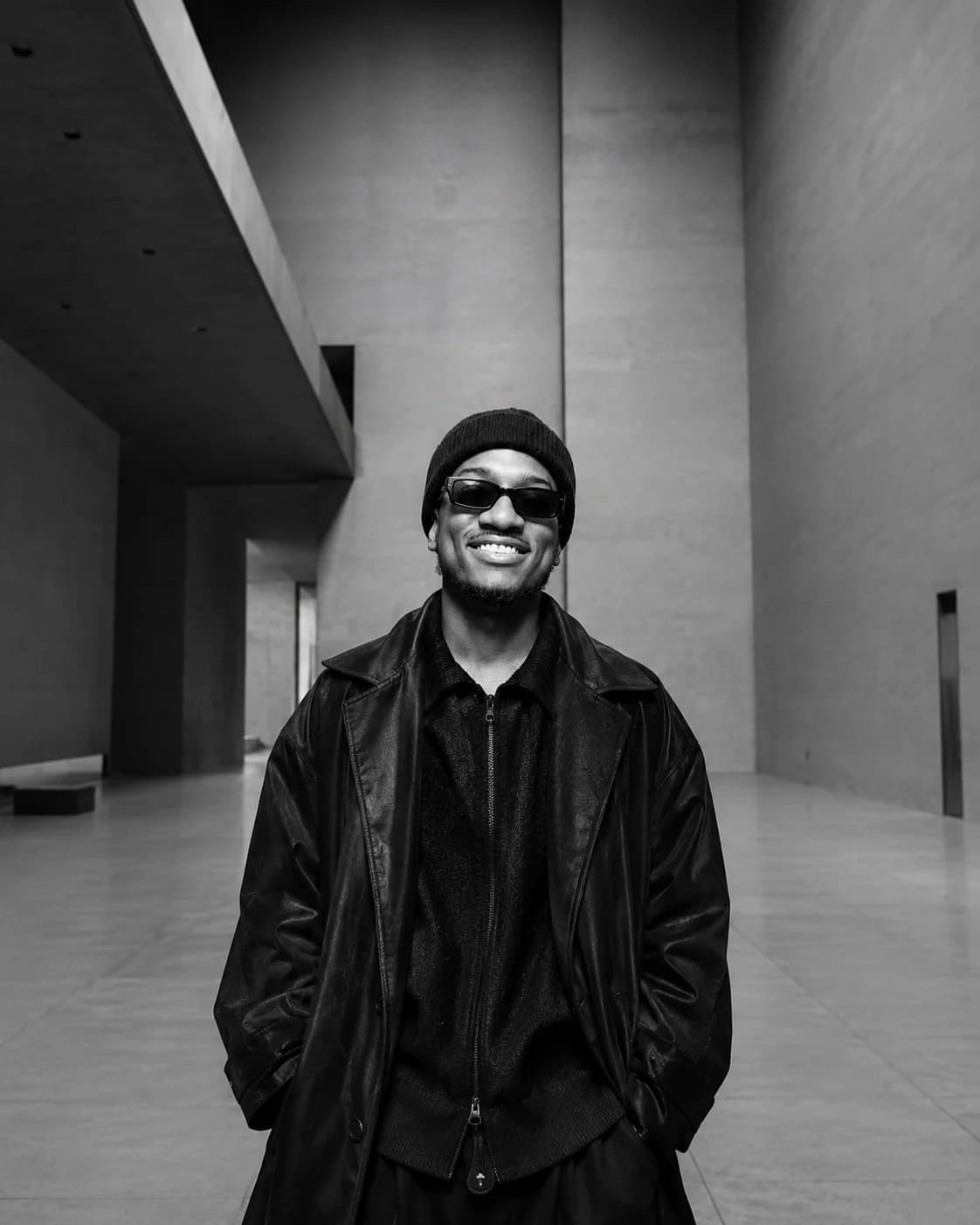
This site is an example, so here it is plainly. Spacedread is built by Cassius Crieghtney, a musician who writes code, and most of what you can click on here started as a creative problem. The Workshop turns a song and its lyrics into a playable platformer. The arcade is a set of games that each grew out of a song. This publication runs on a small publishing system built for exactly one job: putting a new story out every day and a bigger one every Friday.
None of these are products used by millions. They're tools used by one crew to make things that would otherwise not exist. That is the scale most artist-built software lives at, and it's still worth doing.
What it costs
Every tool you build is a tool you maintain. Browsers update, libraries change, the thing that worked in March breaks in September. The open-source projects above survive because communities of contributors carry that weight. A solo artist carries it alone, and the hours come out of the art.
We don't keep a precise count of our own maintenance hours, and we'd be suspicious of anyone who says they do. The honest rule of thumb: build the tool when the idea genuinely can't exist without it, keep it as small as it can be, and stop the moment an existing tool does the job.
- Build it when the tool is the idea.
- Borrow it when an open-source project already solves 90 per cent. Contribute the other 10.
- Buy it when the problem is common and the price is fair.
Sources
- ProcessingProcessing Foundation · checked SEPT 18, 2026
- TwineInteractive Fiction Technology Foundation · checked SEPT 18, 2026
- AsepriteIgara Studio · checked SEPT 18, 2026