The Creative Groups That Last Have One Thing in Common
Toronto has artist-run spaces older than most of the people in them. They all started by sharing something boring.

Every creative collective starts with the same energy: a group chat, a name, a logo somebody made at 3am, a manifesto. Most of them are gone within a couple of years. A few in this city have lasted half a century, and when you read how they started, the manifestos are never the point.
Three that lasted
Trinity Square Video was founded in 1971. Fifty-five years later it describes what it does in plain terms: access to production tools, technical training and curatorial opportunities for Toronto's artistic communities.
The Music Gallery was founded in 1976 by Peter Anson and Al Mattes and quickly became, in its own words, a hub for collaboration, creative exploration and musical performance. It now calls itself a centre for creative music, and the question it keeps asking is what experimental activity looks and sounds like.
Gallery 44 was founded in 1979 by a small group of artists who, as the gallery tells it, joined together to share a darkroom and studio. Today it's an artist-run centre for photography with a membership of more than 500 artists, and it pays roughly $80,000 a year in fees directly to artists.
The boring thing
Read those origins again and look at the nouns. Tools. Training. A darkroom. A studio. None of them started as an idea about art. They started as a practical arrangement around something expensive that no single artist could afford alone, and that everyone needed on a regular basis.
That's the thing in common. Groups that last are organized around a shared resource people keep needing. A darkroom has to be booked. Equipment has to be signed out and returned. A venue has a calendar. The resource creates a reason to show up that doesn't depend on anyone's enthusiasm that week.
The second boring thing: rhythm
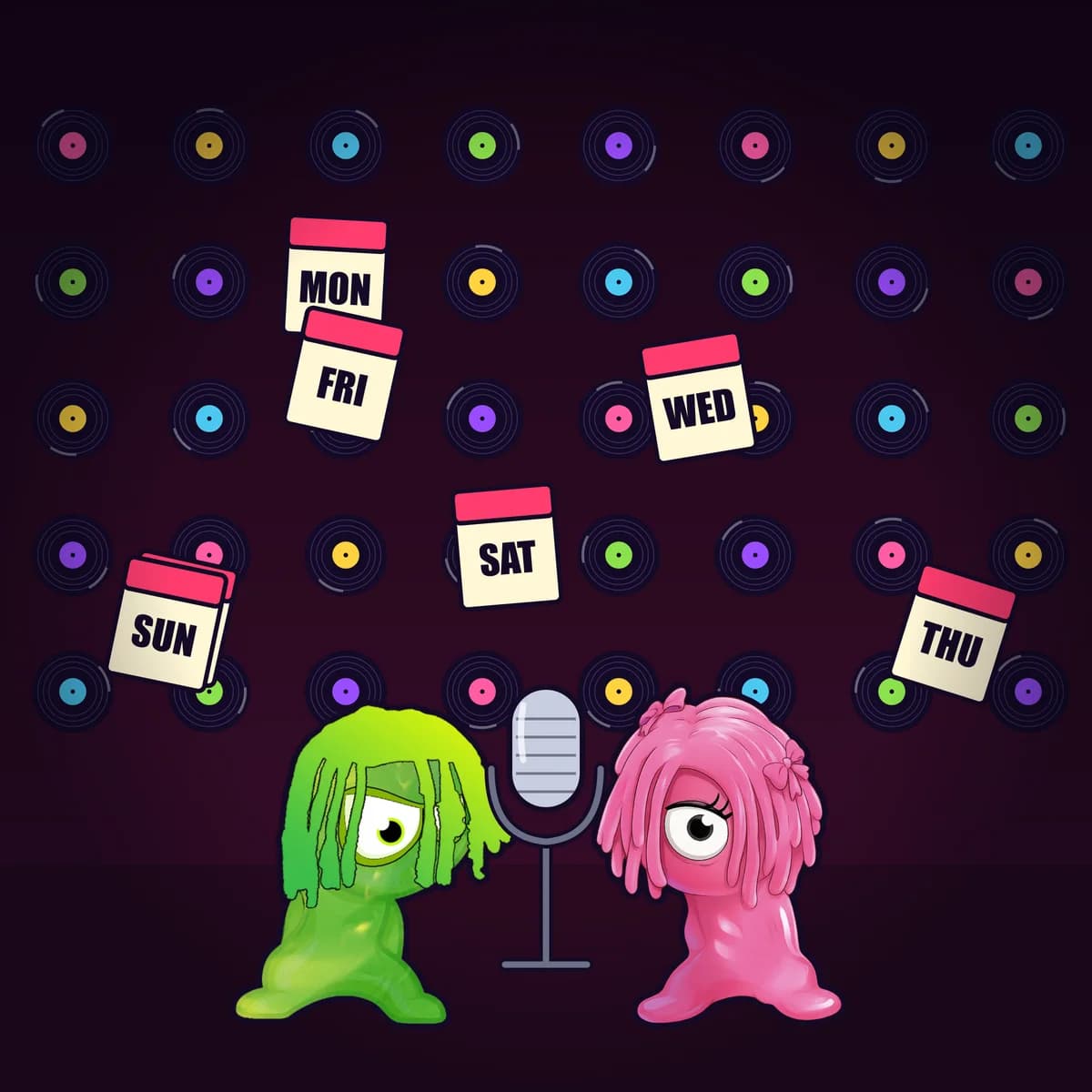
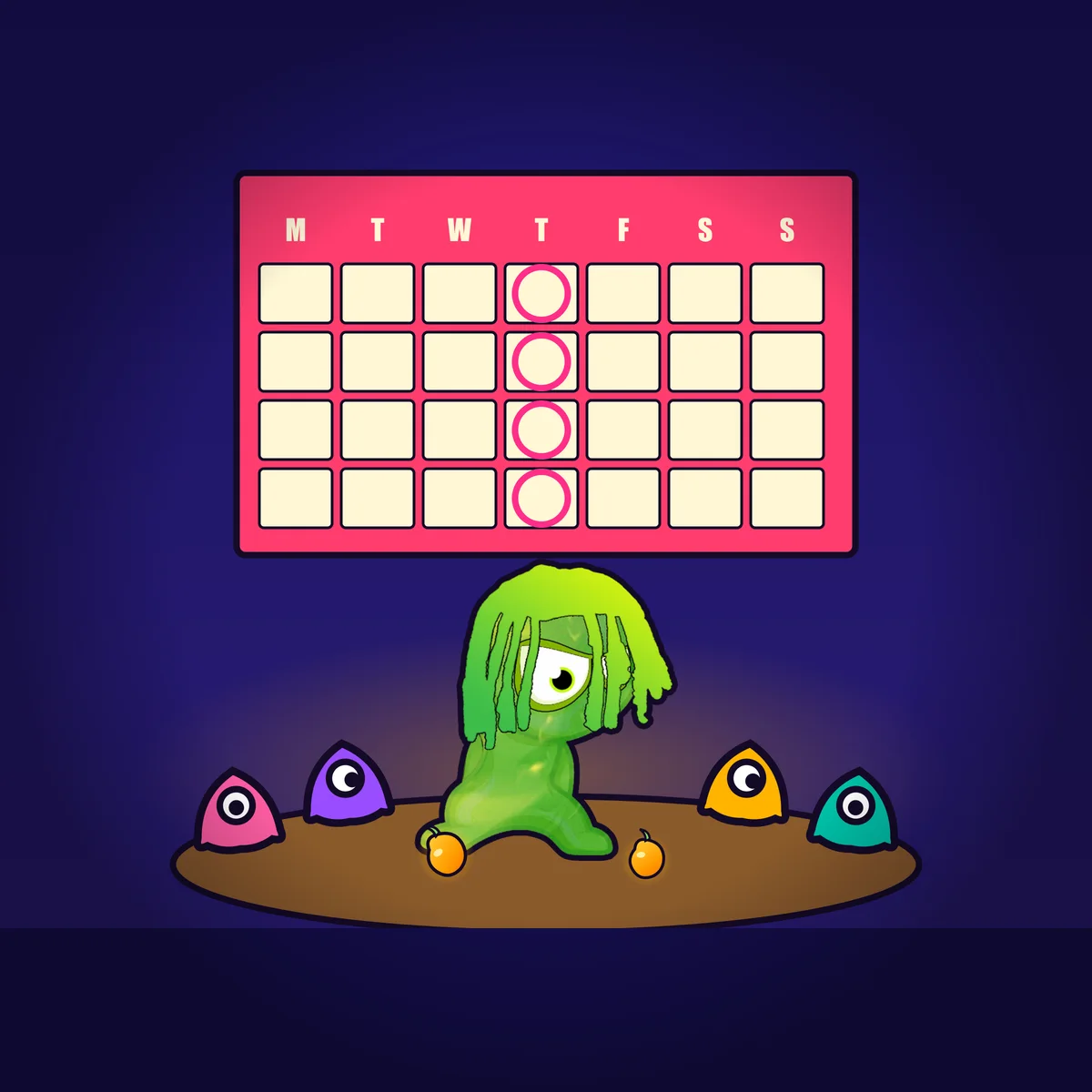
The other pattern is time. A resource works when it's available on a schedule people can build their lives around: the same night, the same hours, the same booking system. Collectives that meet "whenever we're all free" discover that everyone is never free at the same time again.
Structure follows. Gallery 44 describes staff, a board and members collaborating on its vision and decisions. That sounds like the least creative sentence in this story, and it's one of the main reasons the place is still open. Somebody has to own the key.
Our own, at its real size
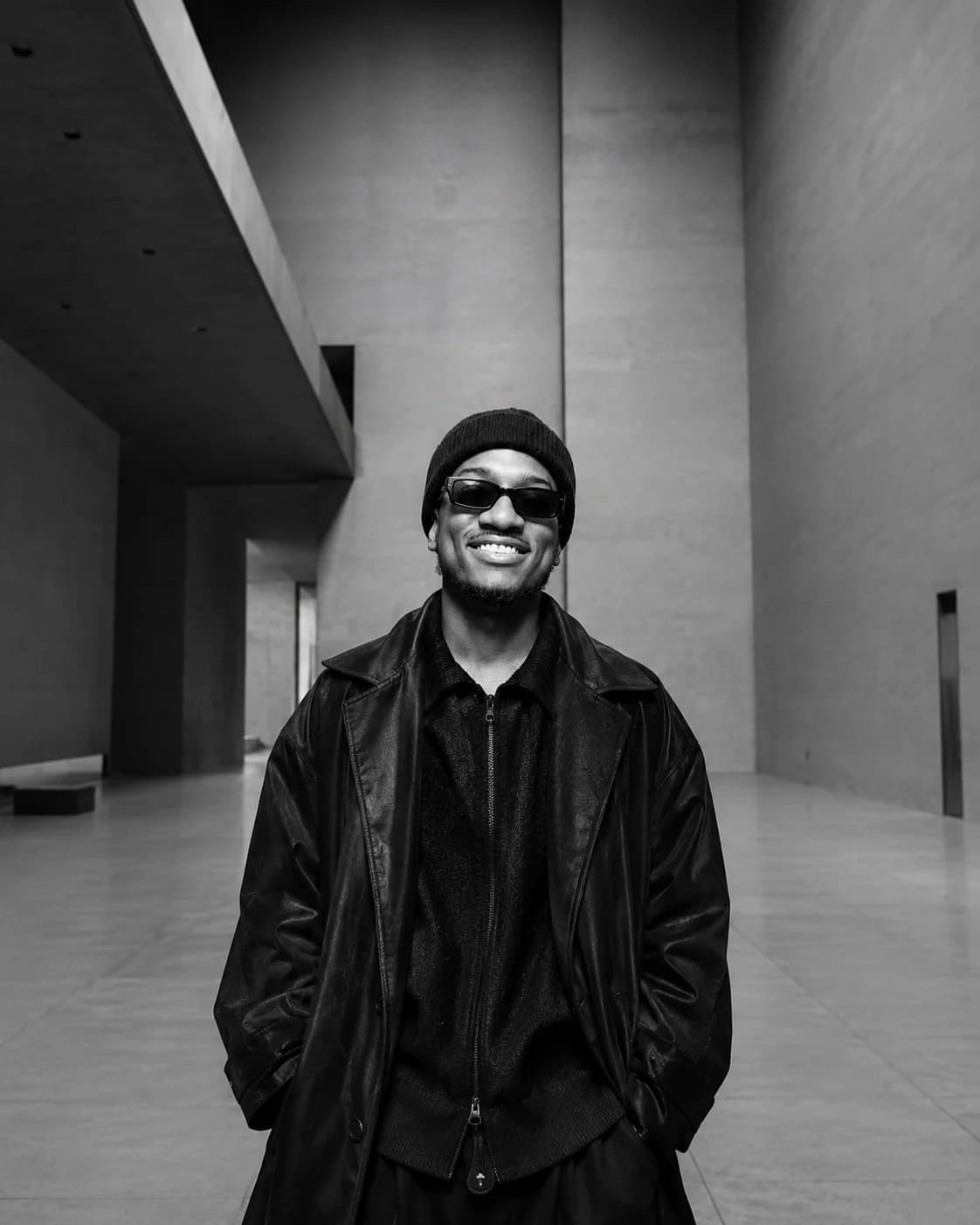
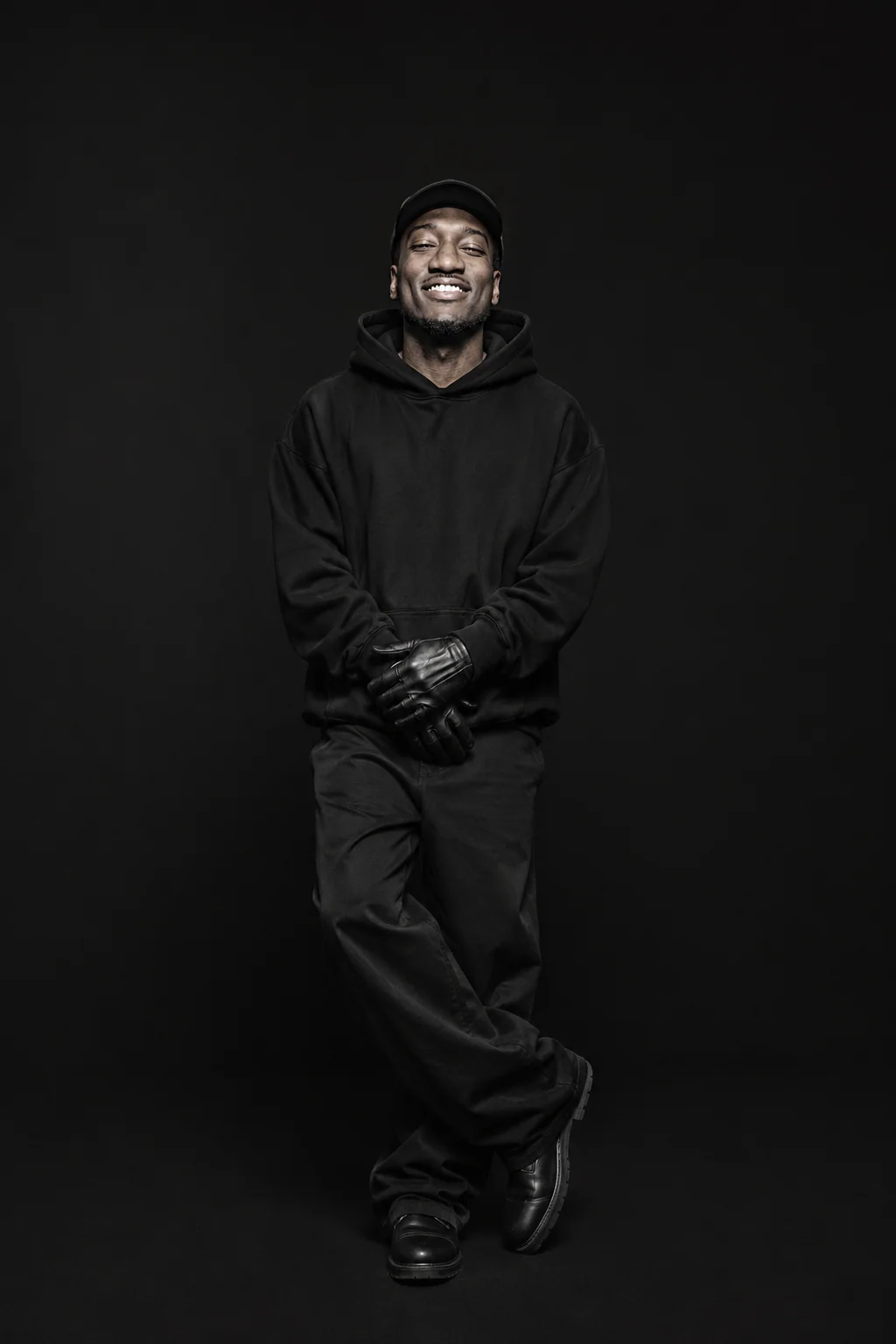
Full disclosure, because this story is written by an interested party. Cassius Crieghtney and Amanda Andress have run a weekly creative room in Toronto, the Creators Incubator, for about ten years. It is tiny next to the organizations above: no building, no board, no grant. By its own count it has developed more than 200 songs.
It has lasted by accident on exactly the principles above. The shared resource is unglamorous (a place to record, an engineer's time, somebody who can paint, somebody who can shoot). The rhythm is one night a week, every week. The people change. The night doesn't.
If you're starting one
- Share something expensive. Gear, a room, a skill. Something people can't easily get alone.
- Fix the time. Same day, same hour, whether three people come or thirty.
- Give someone the key. One named person responsible for the resource and the calendar.
- Let people leave. Groups that last have members who come and go. The structure stays.
- Write down what you made. A list of what came out of the room is the best argument for the room.
None of this is exciting, which is the whole point. The exciting part is the work, and the boring part is what lets the work keep happening for fifty years.
The Creators IncubatorOne night a week, for about ten years. The door is open.Sources
- About Trinity Square VideoTrinity Square Video · checked SEPT 18, 2026
- About The Music GalleryThe Music Gallery · checked SEPT 18, 2026
- About Gallery 44Gallery 44 Centre for Contemporary Photography · checked SEPT 18, 2026
- The Creators IncubatorSpacedread · checked SEPT 18, 2026